
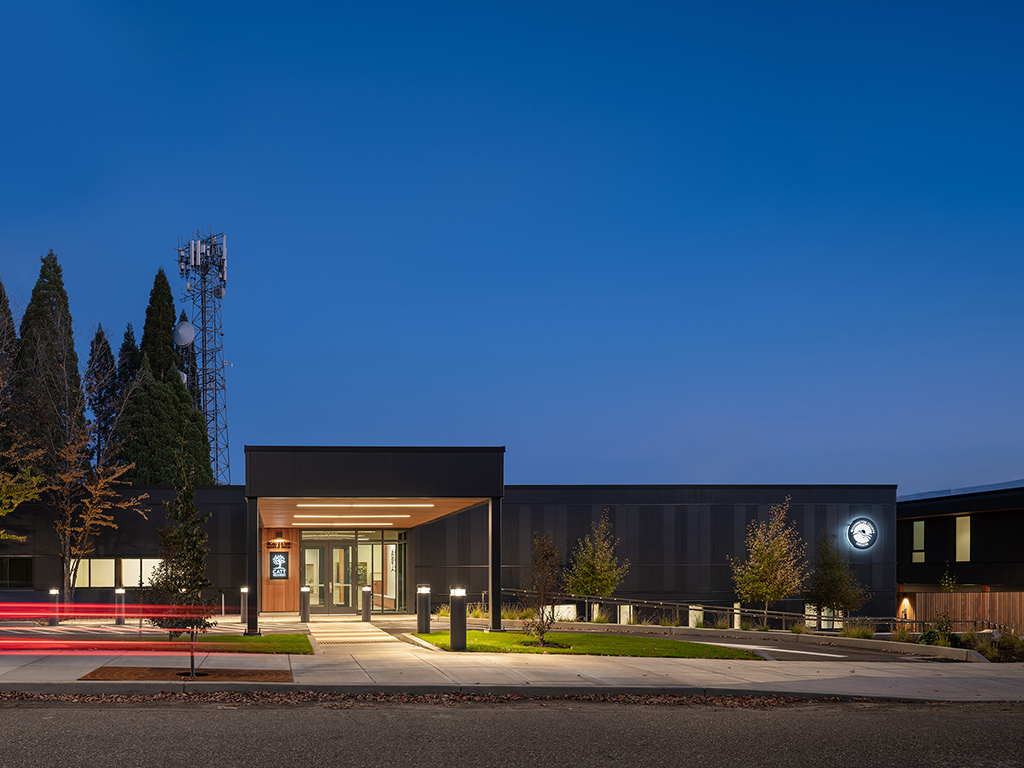
The Washington County Center for Addictions Triage and Treatment (CATT) consists of two buildings, the Beaverton Recovery Center (BRC) and the Hillsboro Recovery Center (HRC), which together provide comprehensive addiction treatment support. Oregon ranks 48th in the nation for access to substance use treatment programs, and prior to the opening of CATT, there were only 32 residential treatment beds in Washington County. CATT is an important step in closing this huge gap in treatment services, providing intensive addiction recovery support.
Beaverton Recovery Center
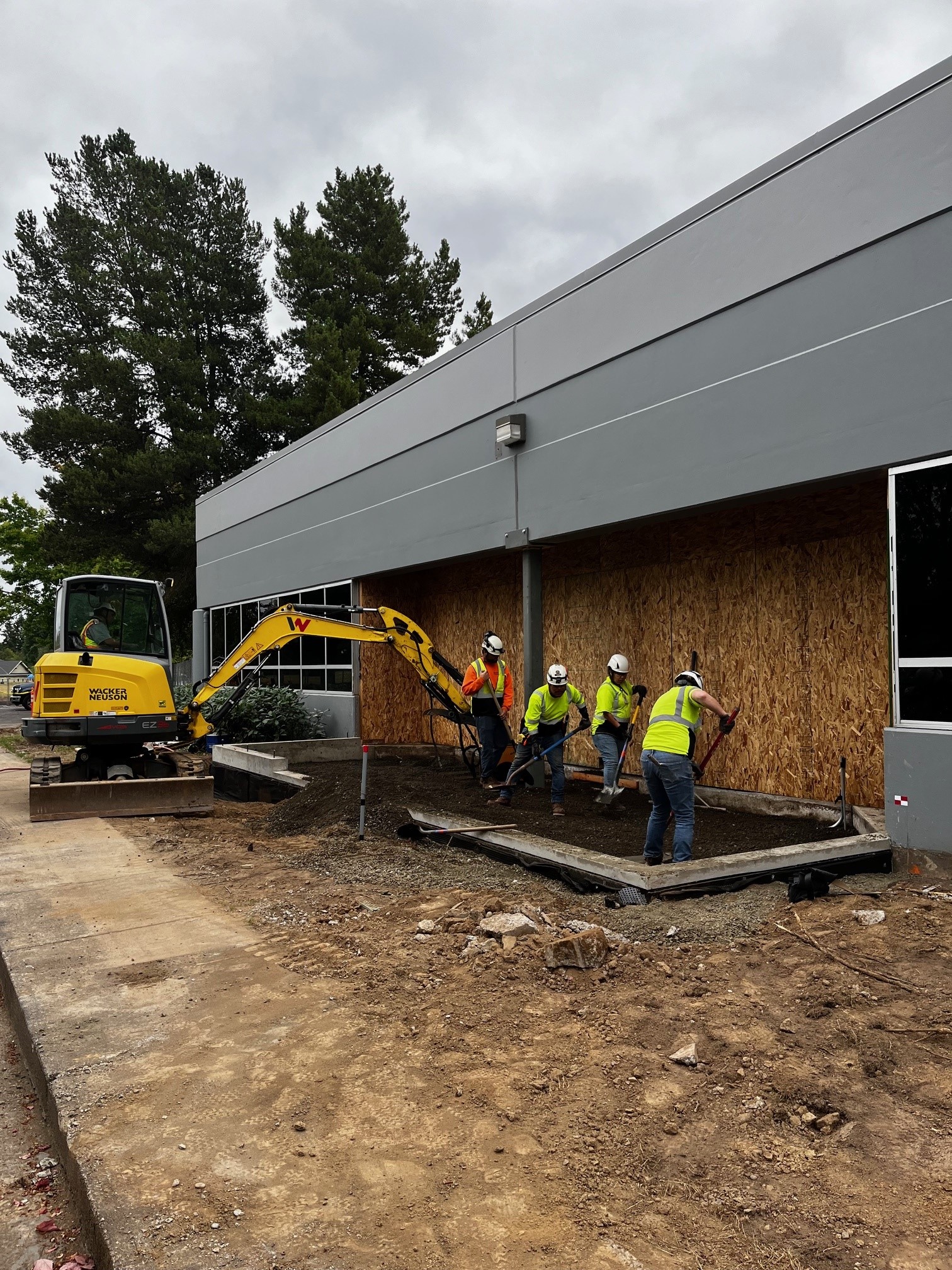
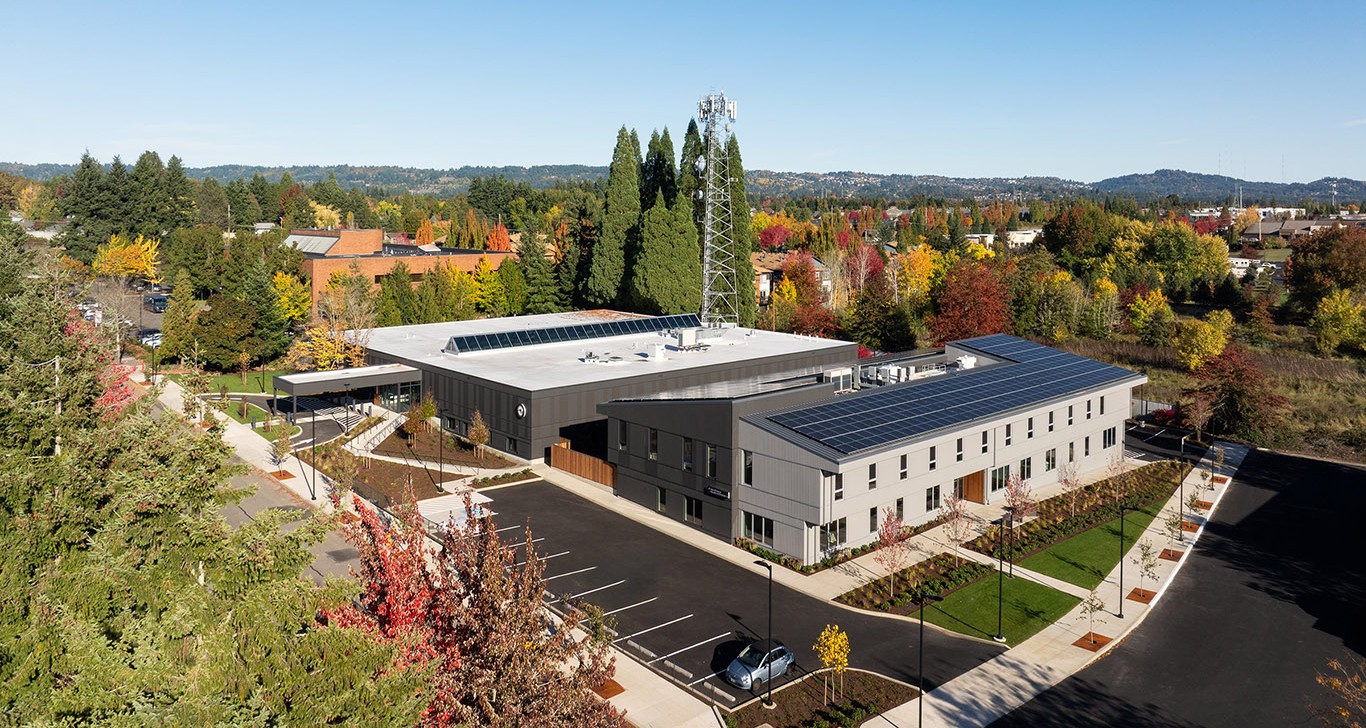
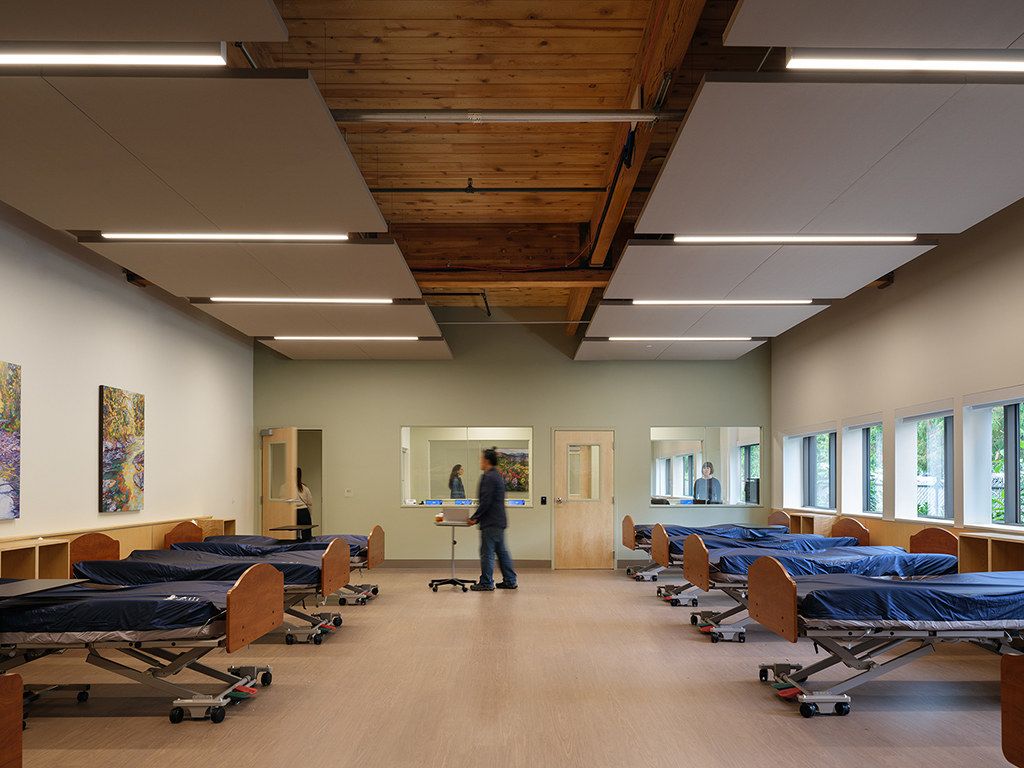
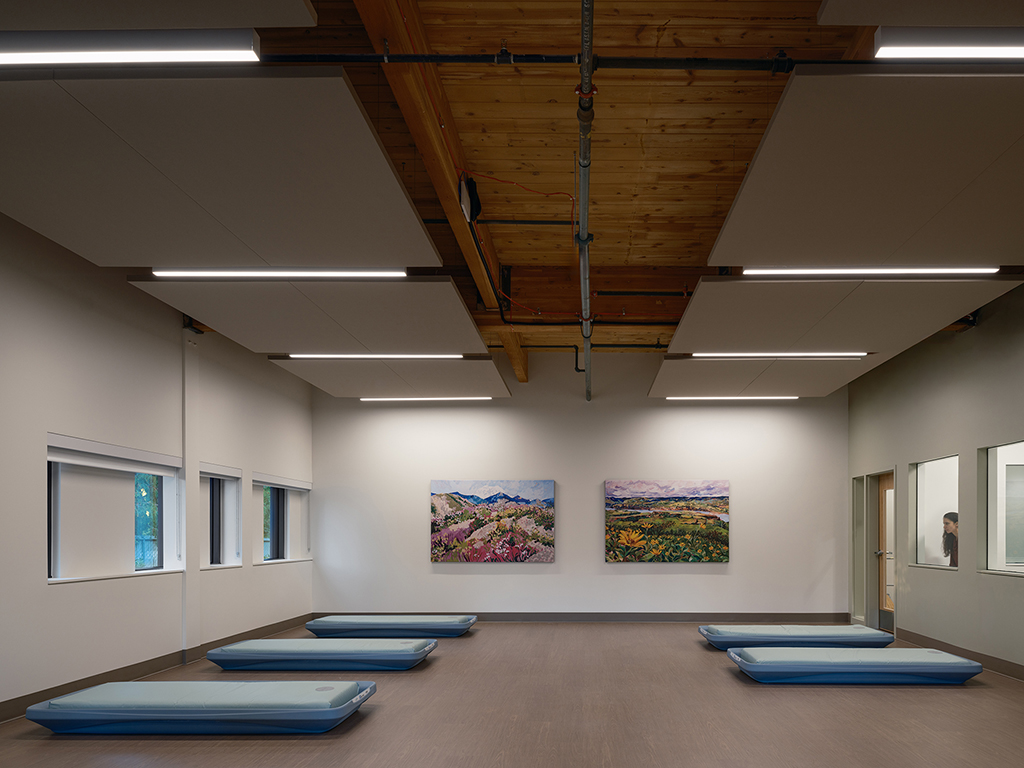
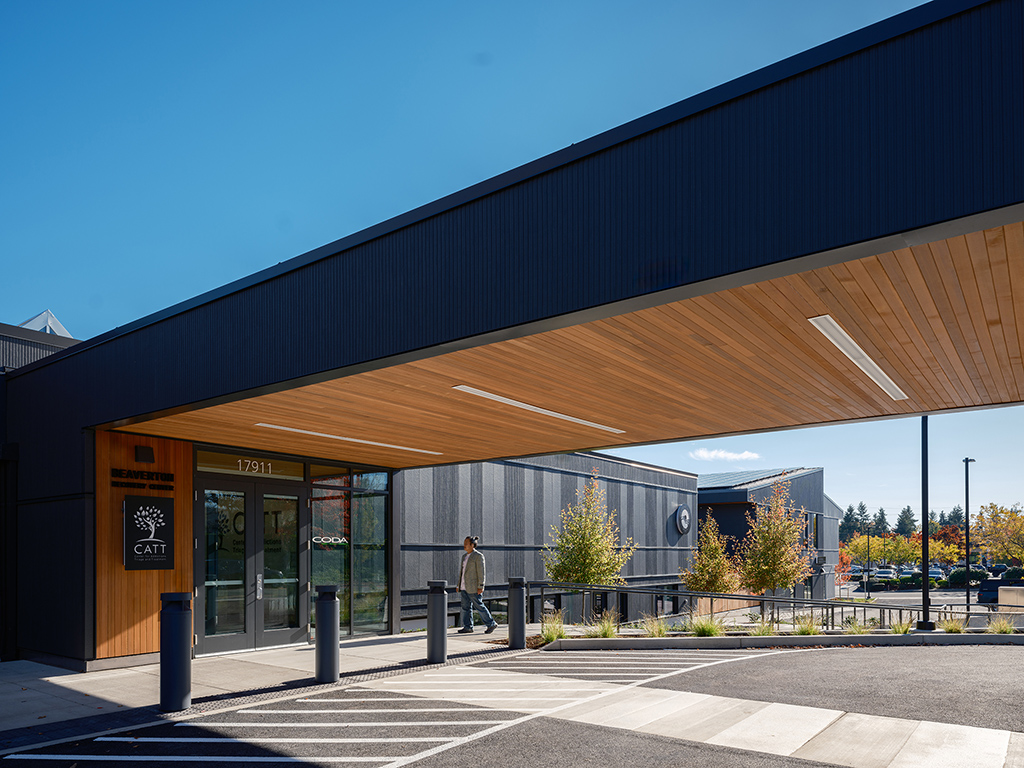
The Beaverton Recovery Center houses the CATT residential treatment program, including clinical spaces and 56 residential beds, where a person typically lives for 30-90 days in a supportive environment that helps them develop skills to avoid relapse. The withdrawal management program provides 16 beds for short-term services, typically 3-5 days, with 24/7 nurse monitoring and addiction support. The sobering program provides a safe and monitored space for individuals who are acutely intoxicated. Finally, the transitional services provide six beds for individuals transitioning from residential treatment or between programs. To accommodate all service spaces, the renovation of what had previously been a 9-1-1 dispatch center included 16,600 square feet of new construction.
Hillsboro Recovery Center
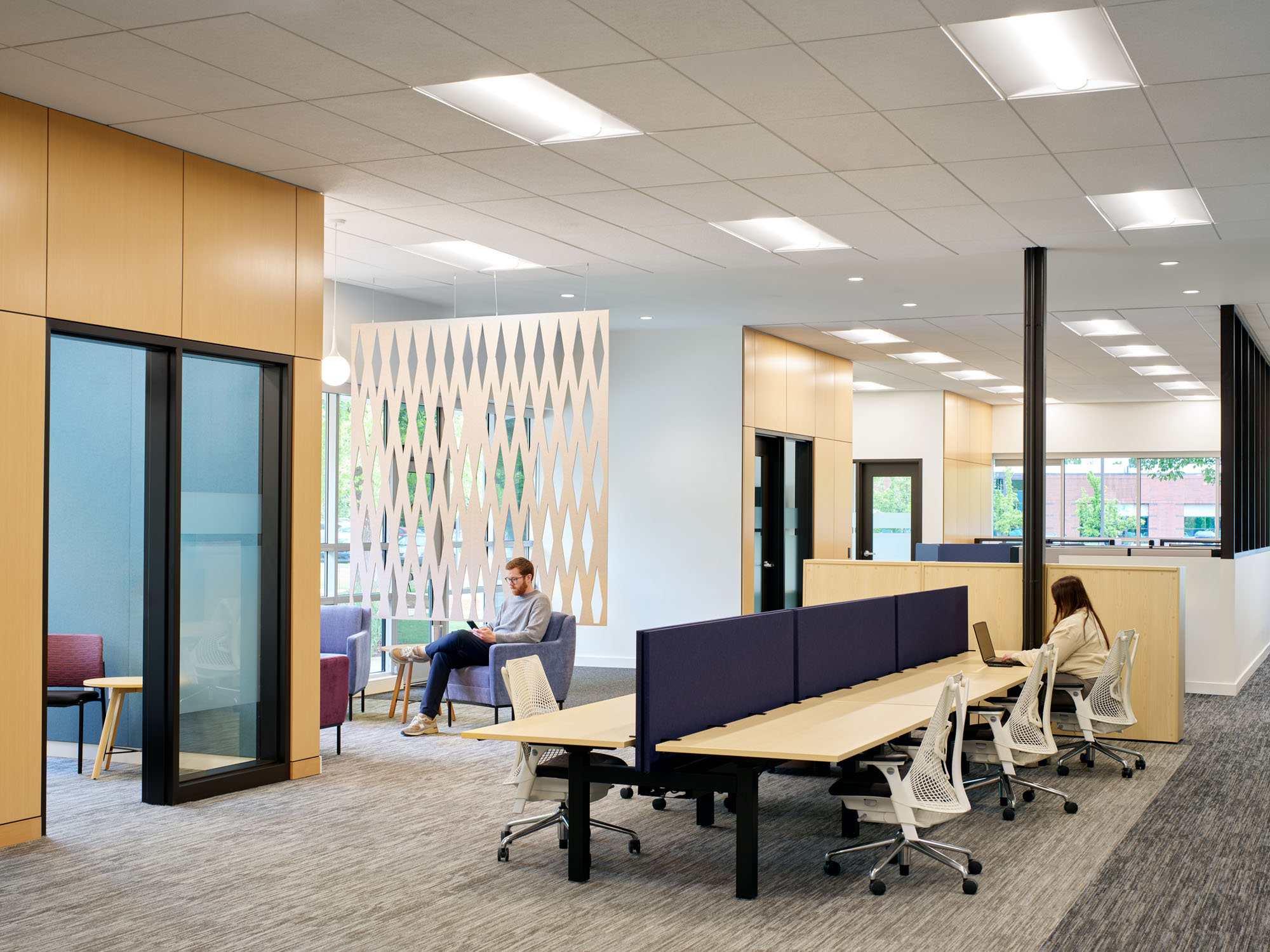
In addition to the County’s Behavioral Health administrative offices, the Hillsboro Recovery Center houses a crisis services/walk-in center operated by LifeWorks NW. The Center connects people to mental health and substance use treatment services by providing urgent behavioral health crisis intervention, assessment, and stabilization. Outpatient services, operated by Solutions Group, provide evidence-based interventions, peer support, medication management, and counseling. At the peer drop-in center, individuals in recovery, as well as their friends, family, and other supporters, can receive support from The Peer Company (formerly the Mental Health & Addiction Association of Oregon). Other tenants include Behavioral Health Services, Virginia Garcia Memorial Health Center, and Project Homeless Connect, which provides supportive housing services.
Washington County’s new CATT program offers an integrated approach to supporting individuals affected by substance use, making a wide range of services accessible in one place. Built on a partnership among multiple organizations, the program ensures people can quickly connect to a full spectrum of care.
The vision for CATT began taking shape in 2019, guided from the outset by community voices. More than 250 individuals, including many with lived experience of substance use, contributed their perspectives to the project—shaping everything from service delivery to the artwork inside the centers. This collaboration among the cities of Beaverton and Hillsboro, Washington County, seven service providers, and extensive community involvement has resulted in facilities designed to support the region for years to come.
Community Impact & Sustainability
Social Impact:
The opening of the Beaverton and Hillsboro Recovery Centers marks a turning point for Washington County, addressing longstanding gaps in substance use and mental health treatment. For the first time, residents have access to critical resources such as sobering beds, residential treatment, and coordinated, holistic care under one roof. These new centers represent a collaborative, innovative approach that brings together multiple organizations to better serve the community and offer hope for lasting recovery.
Sustainable Design:
Sustainability strategies on the project included on-site renewable energy generation and thoughtful material selection aligned with both environmental responsibility and design intent.
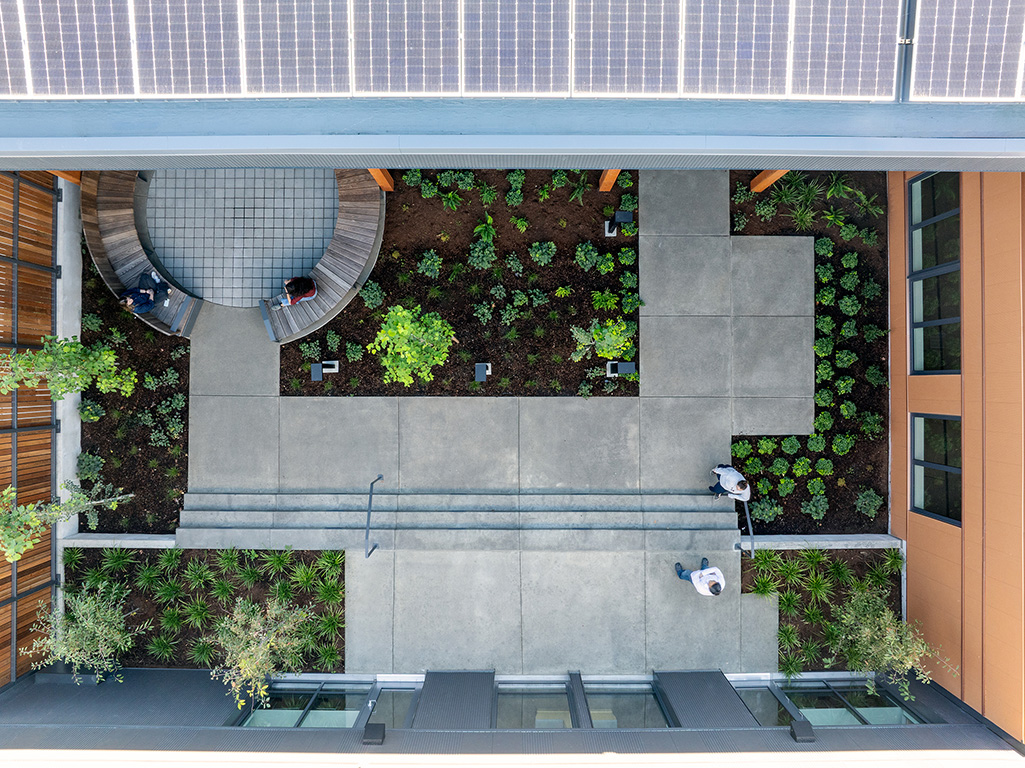
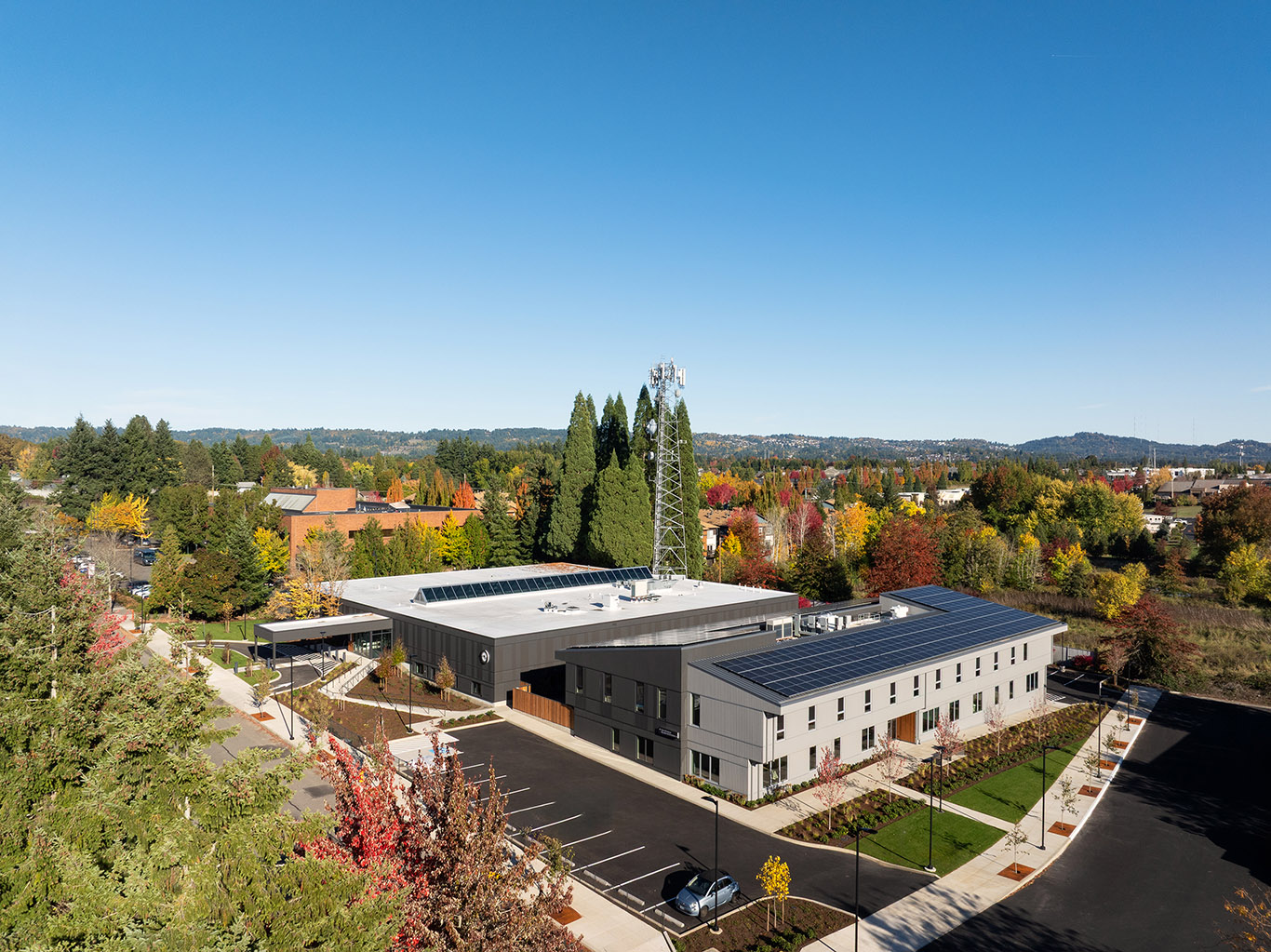
At BRC, the photovoltaic solar panel system was designed not only to offset building energy use but to integrate seamlessly with the County’s broader operations. The system consists of 282 solar modules and four inverters, forming a 138 kW rooftop array. Remote monitoring was incorporated to tie directly into the County’s existing building monitoring system, providing real-time performance tracking and long-term data visibility. The system is expected to offset approximately 14.5 MWh annually, redirecting funds that would otherwise be spent on electricity toward other County priorities.
The installation is notable in that the arrays are mounted on sloped standing-seam metal roofs rather than a typical flat roof. Symmetrical photovoltaic arrays were installed on each roof plane and secured with clamp attachments that eliminate roof penetrations, preserving roof integrity. Inverters were located on the central flat roof area for convenient access by facility staff, resulting in a clean, durable and maintainable system.
Material sourcing was also carefully evaluated. Clear vertical-grain fir was desired for cabinetry facing and paneling, but the limited availability of sustainably harvested old-growth material posed challenges. To meet both aesthetic and environmental objectives, the team identified an engineered wood product that replicated the appearance and slip-matched sequencing of traditional CVG fir while offering greater consistency and responsible manufacturing practices. This approach reduced reliance on scarce natural resources while preserving the warmth and character central to the design vision.
Innovative Approaches Used on the Project
Trauma-informed Design:
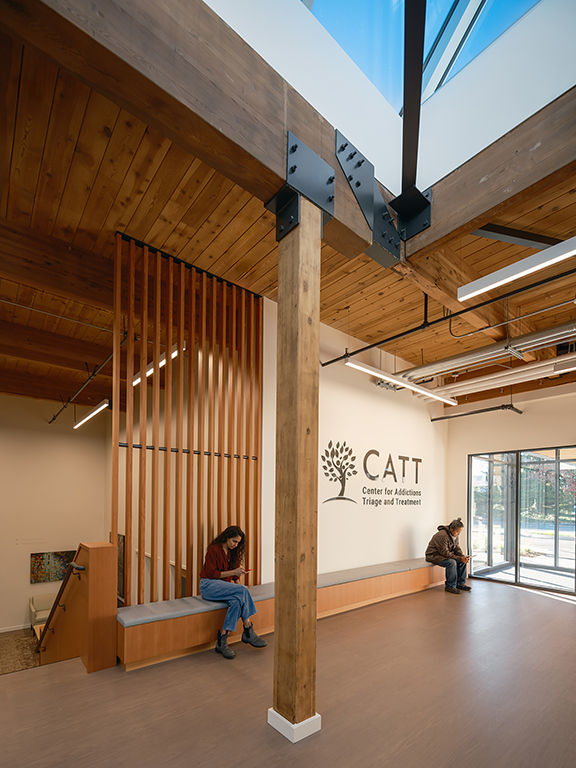
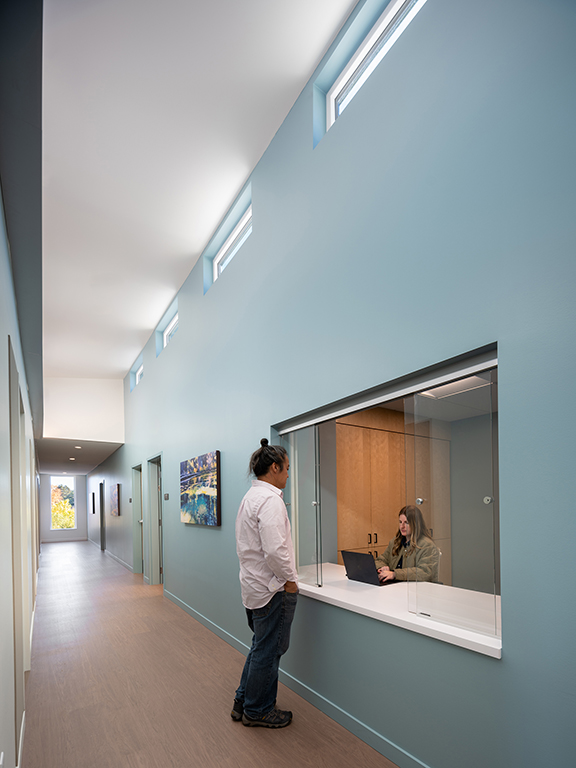
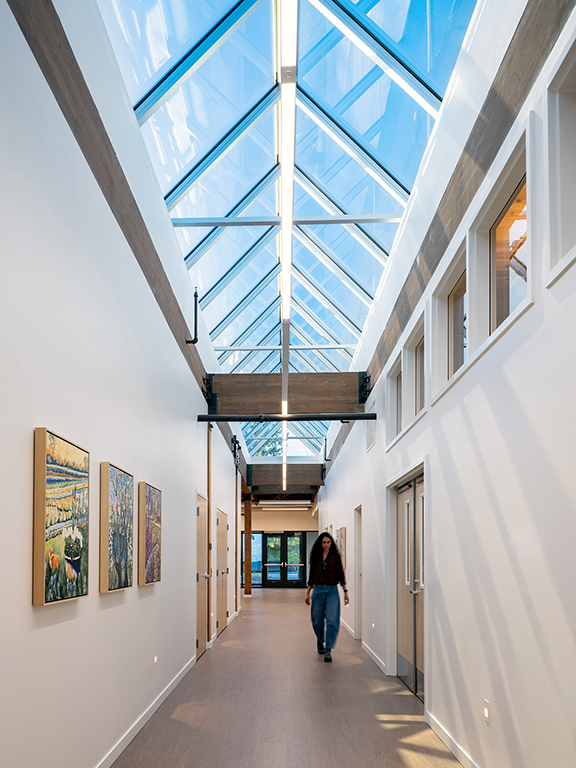
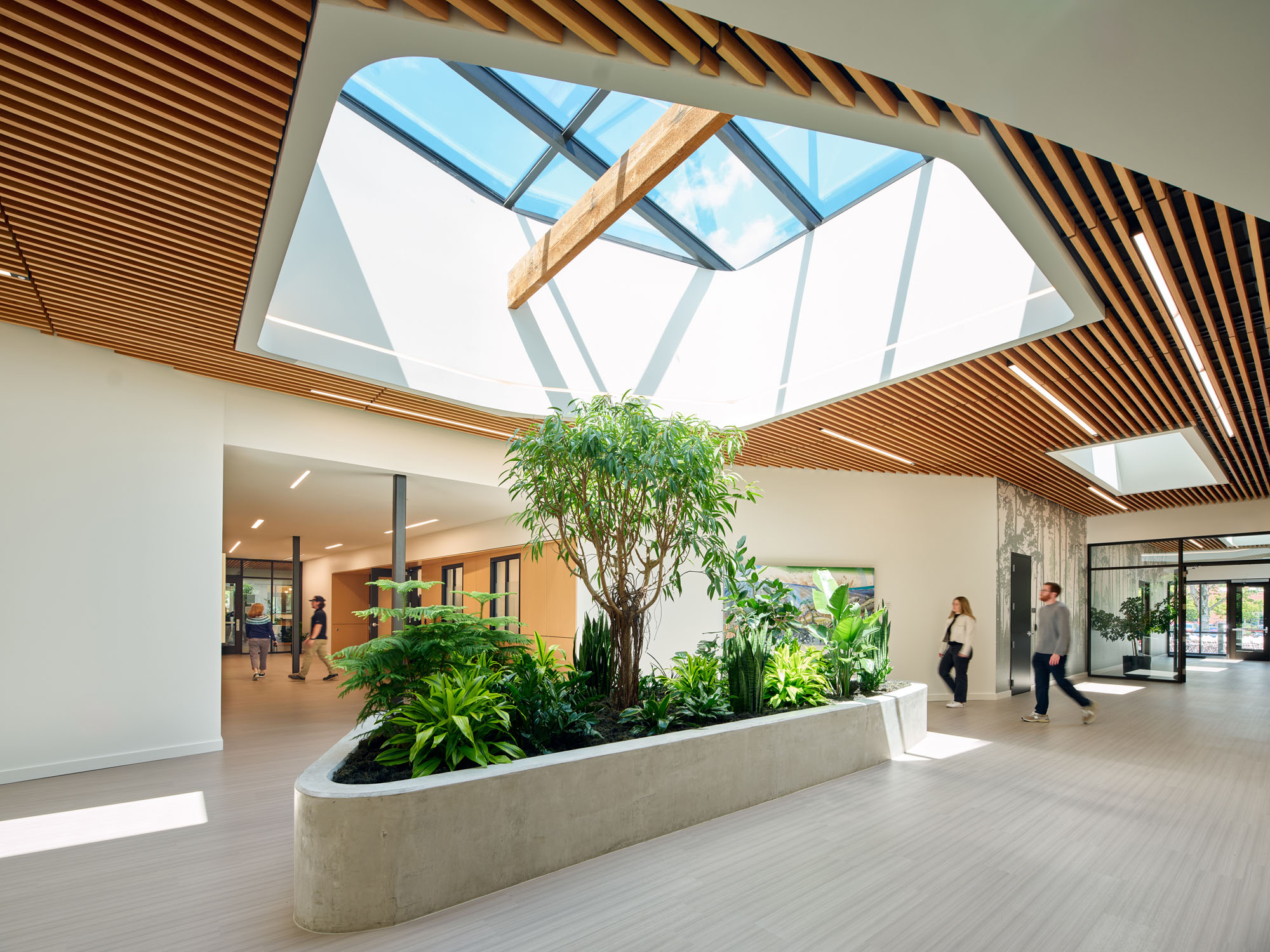
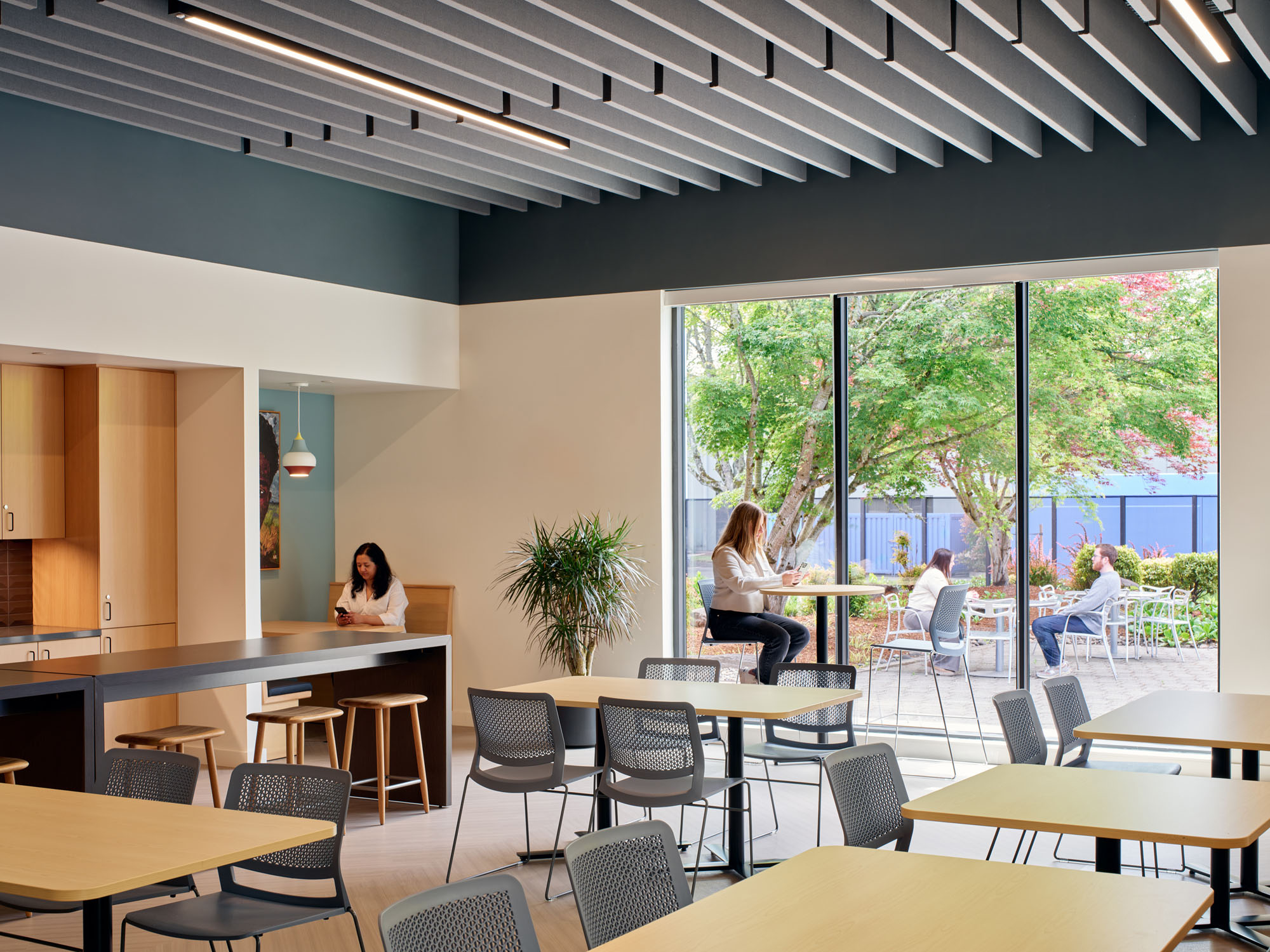
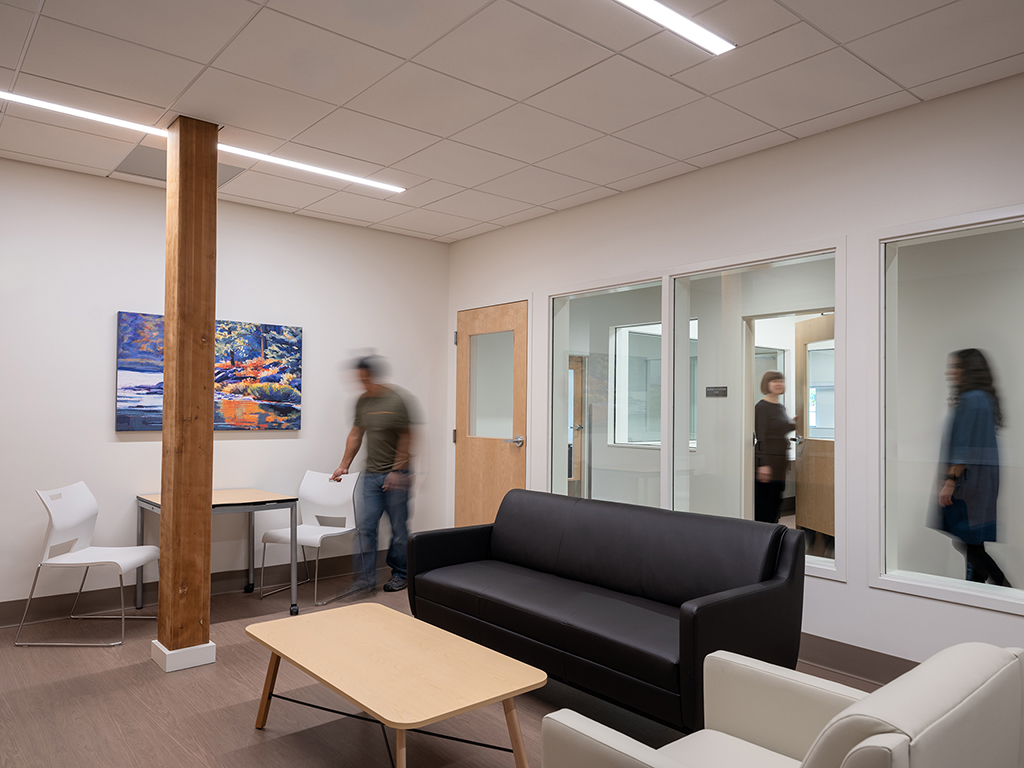
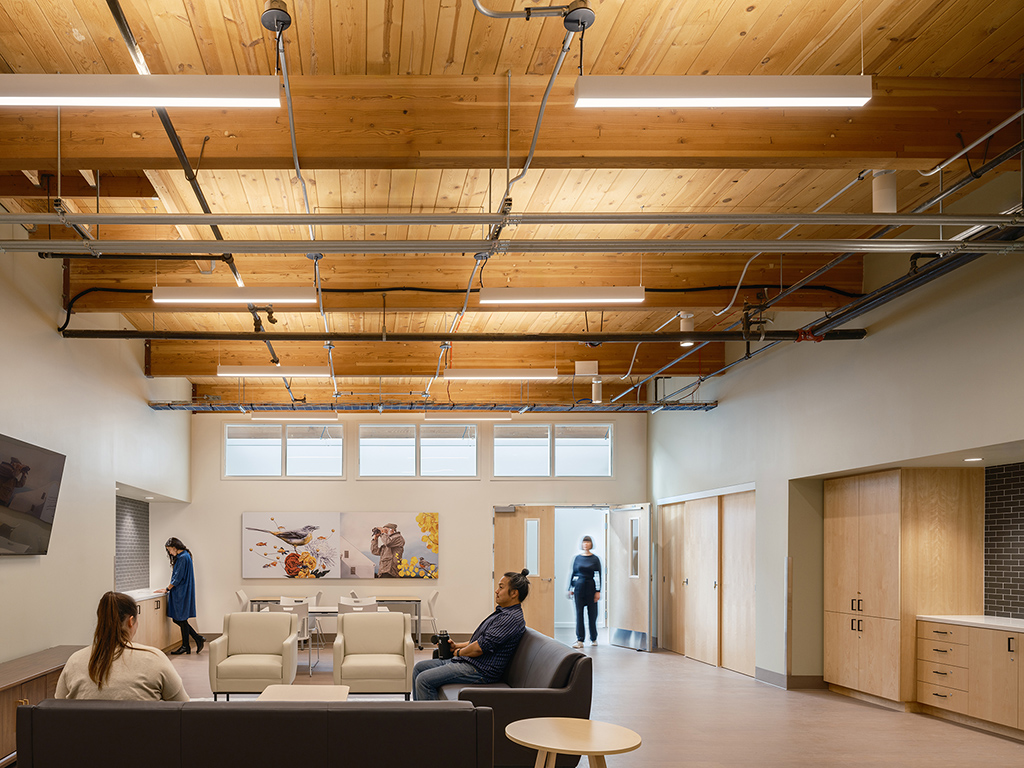
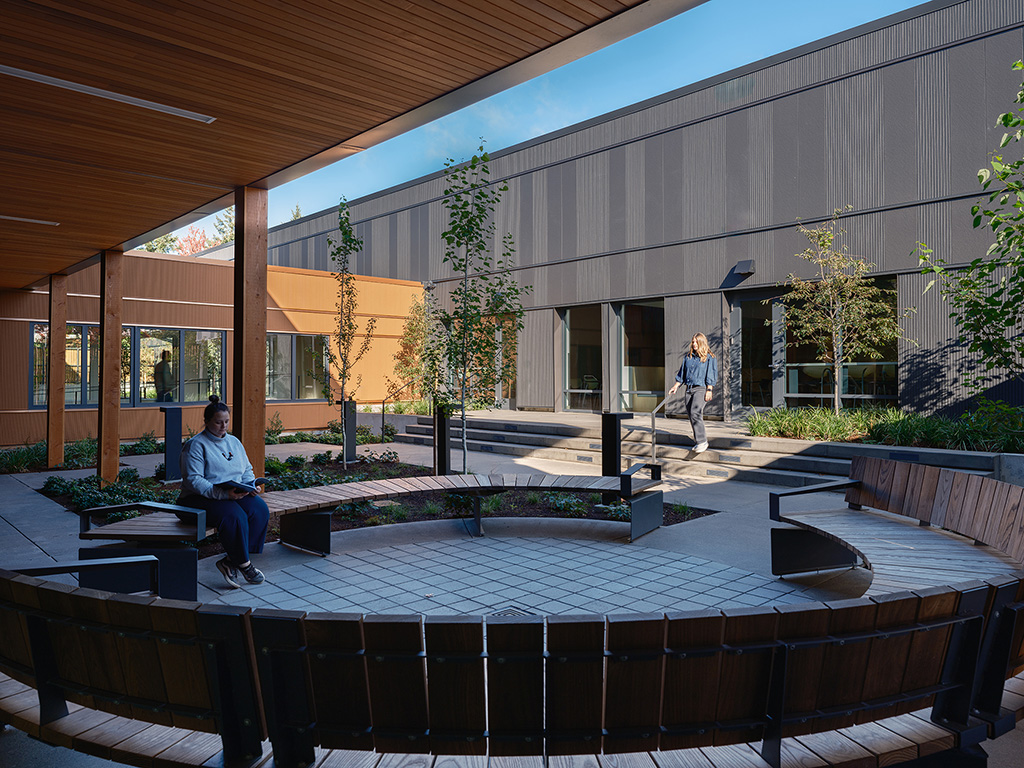
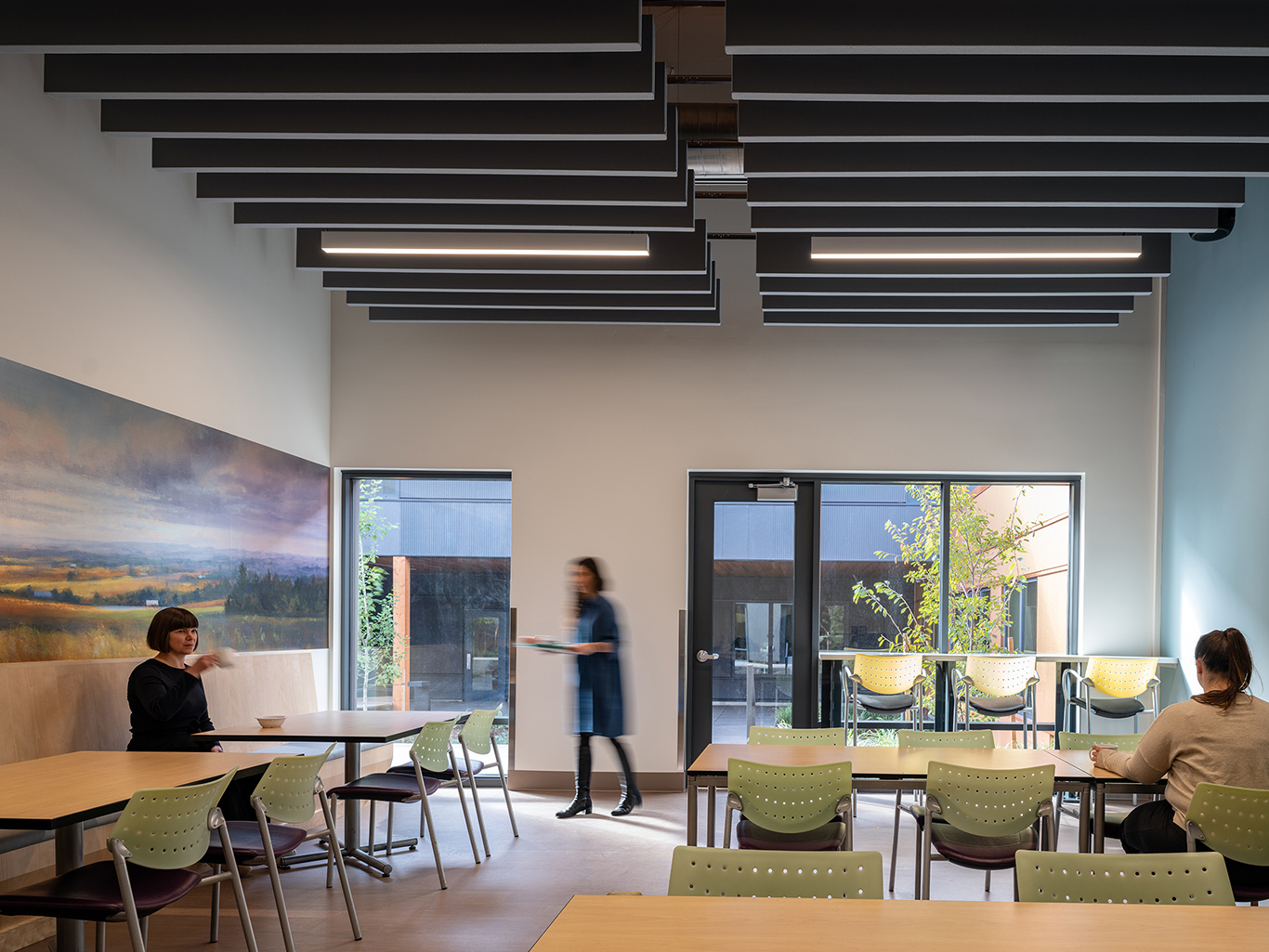
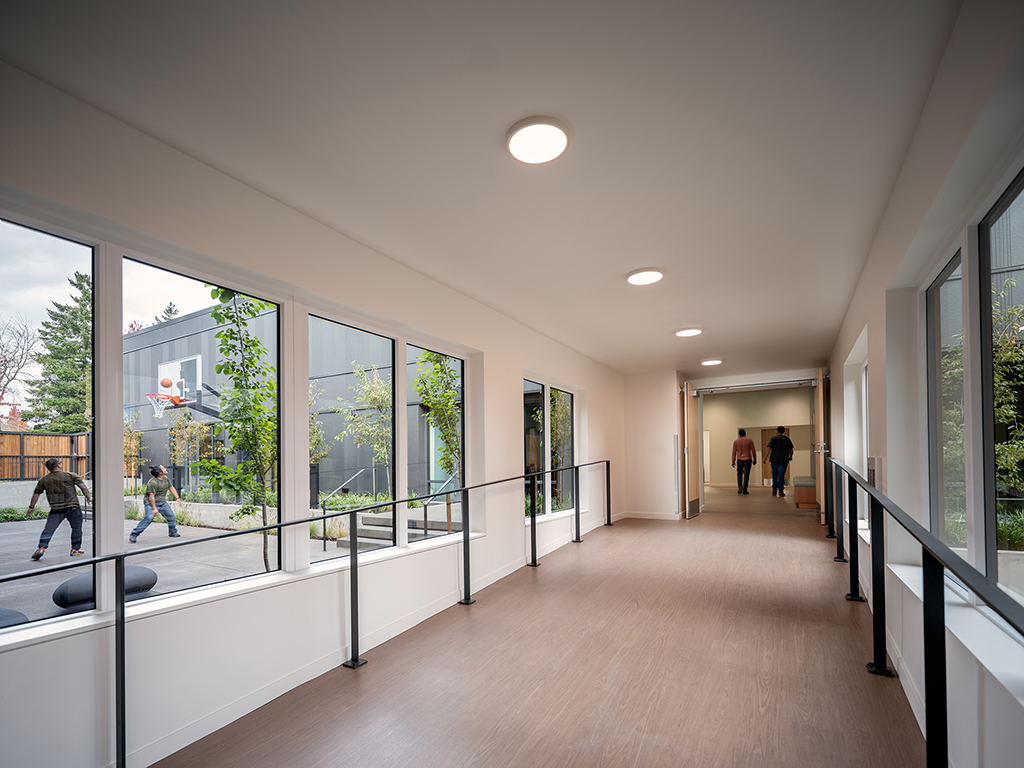
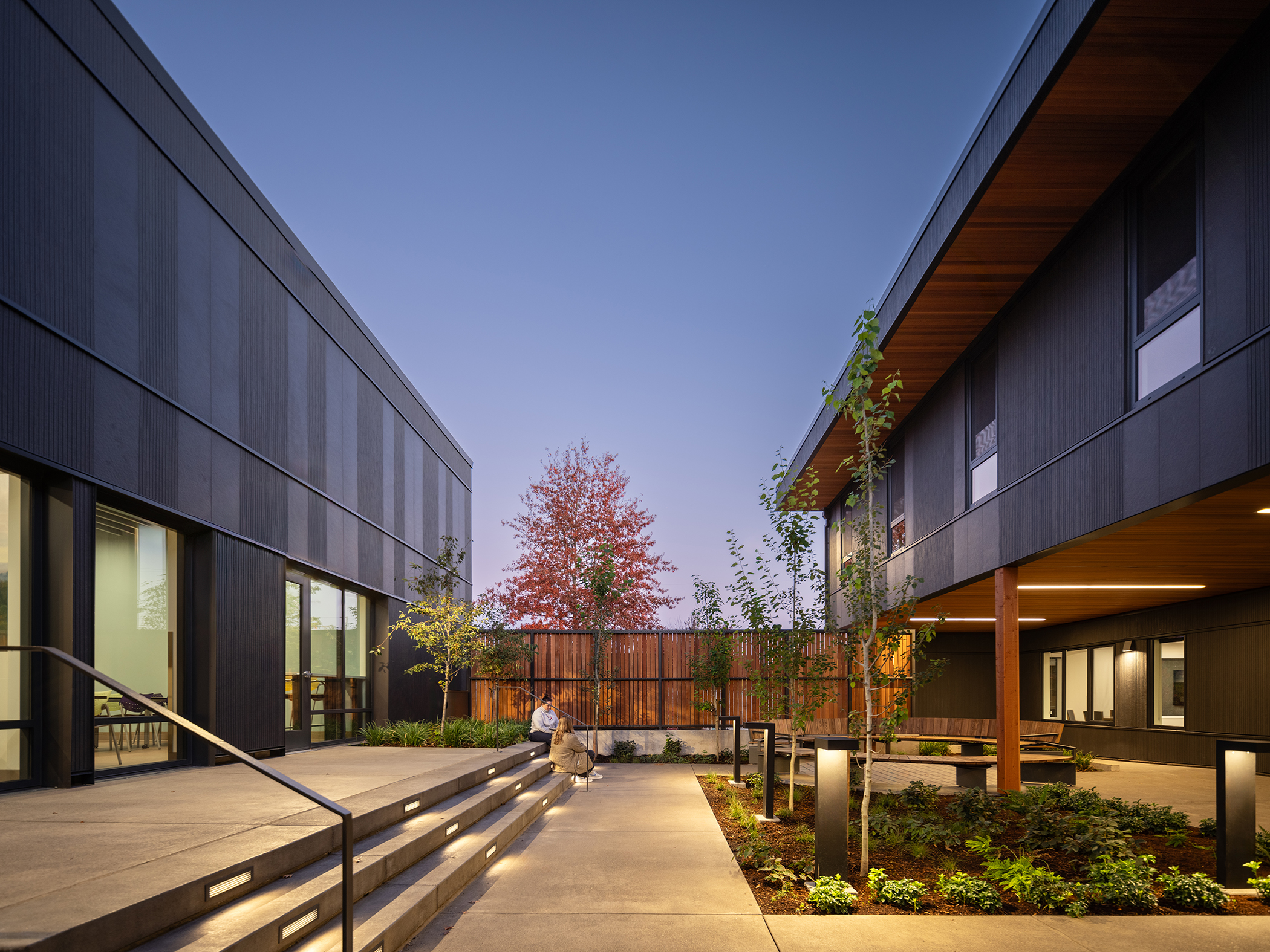
Trauma-informed design integrates the tenets of trauma-informed care into architecture—creating environments that support healing and recovery. Our research into designing for individuals coping with trauma suggests six strategies—Safety, Comfort, Nature, Coherency, De-escalation, and Empowerment—which were incorporated into both buildings. For coherency, the organization of spaces promotes clear wayfinding with lobby/reception areas at the entrances and clearly defined corridors and sightlines throughout the building. Care was taken to include access to nature, with outdoor courtyards and ample natural lighting throughout. Design features include skylights, a comforting natural color palette that avoids stark whites and high-contrast elements, and biophilic elements such as wood accents to create a welcoming reception and intake experience.
At the Beaverton Recovery Center, the design team took care during programming and planning to ensure equitable space was provided to the gender-separated wings of both residential and detox, while taking every opportunity to incorporate nature through internal courtyards, skylights, and windows in hallways. The existing wood ceiling is exposed in key areas throughout the building renovation.
At the Hillsboro Recovery Center, trauma-informed design principles guided the cool-toned interior color palette, natural wood elements, interior vegetation in key areas, and varied lighting strategies to promote client comfort in sensitive areas. The hub features six skylights, including a large custom skylight located at the center of the space.
Construction Collaboration Techniques:
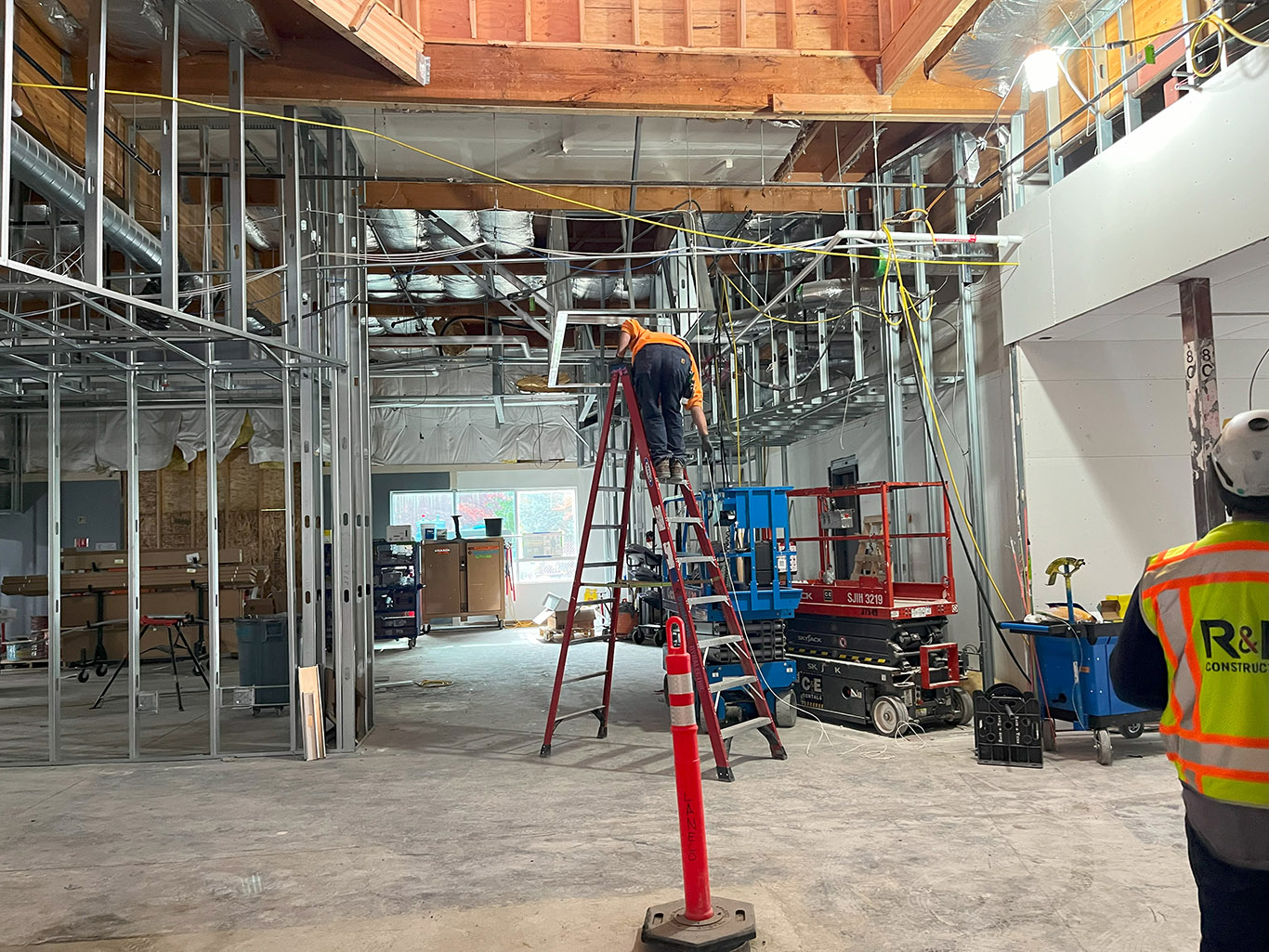
Cloud-based document control was implemented through Procore, providing real-time access to drawings, RFIs, submittals, and project documentation from any location. This centralized platform ensured that owners, designers, and contractors were consistently working from the most current information, reducing miscommunication and streamlining review cycles.
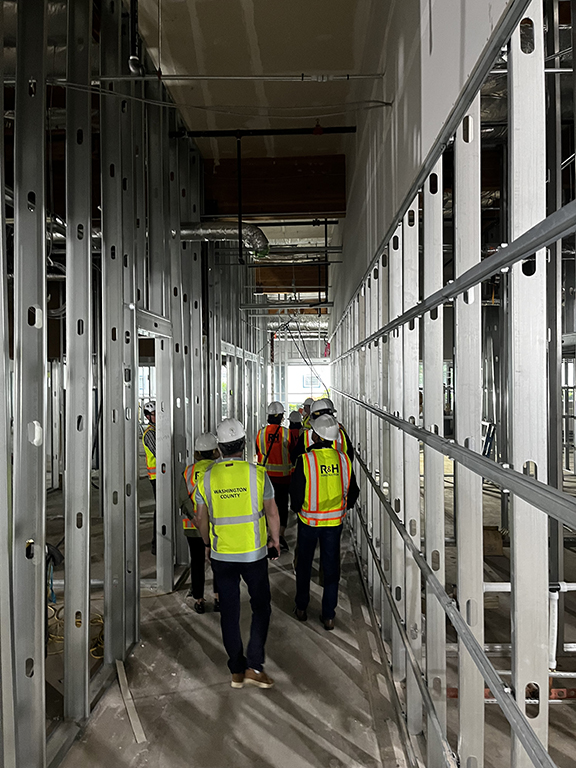
To further enhance visibility, 360-degree site capture technology was deployed using OpenSpace. Weekly field walks were documented and uploaded in a spatially organized format, allowing the broader team to virtually navigate the jobsite and review progress without being physically present. This proved especially valuable when responding to RFIs, as the design team could quickly assess existing conditions remotely. The technology also supported late program adjustments, including the addition of a sink after wall closures, by allowing the team to identify exact in-wall plumbing locations and avoid exploratory demolition.
Thoughtful Problem-Solving within Complex Renovations:
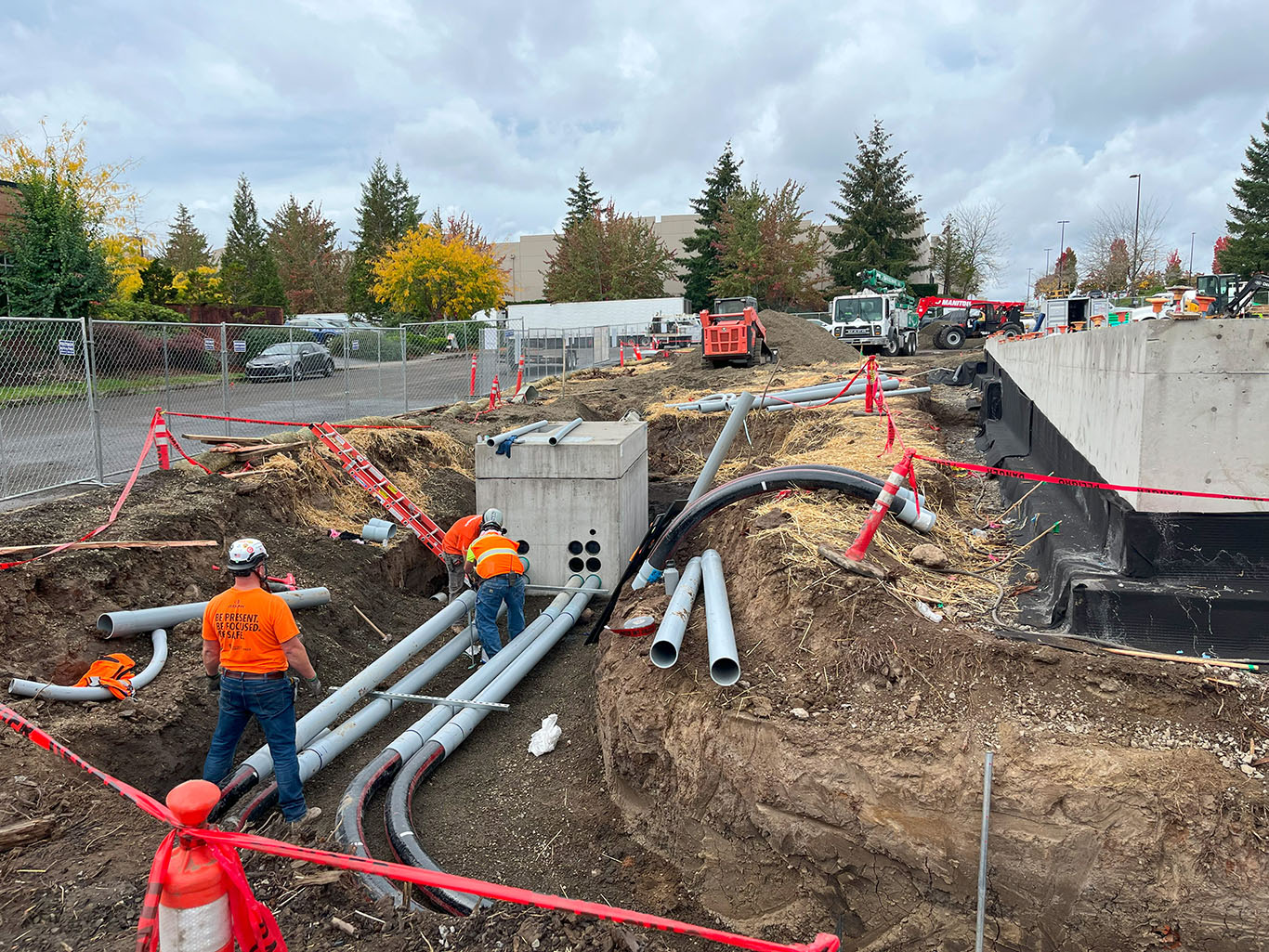
The project also required adaptive problem-solving in response to field conditions. During demolition, previously concealed structural deficiencies were uncovered, necessitating engineering review and corrective work. Specialized materials, including pre-finished powder-coated aluminum flashing, required careful sequencing and coordination to align fabrication, finishing, and installation. Additionally, the team maintained uninterrupted operation of an active cell phone tower located on site, coordinating temporary power and secure access throughout construction.
Together, these methods and technologies supported efficient communication, minimized disruption, and allowed the team to respond effectively to evolving conditions.
Partners Critical to Achieving Project Goals
The CATT has two locations and service spectrums. At the Beaverton Recovery Center, well-established addictions provider CODA, Inc., provides comprehensive, integrated addiction care. The Hillsboro Recovery Center offers a variety of outpatient behavioral health services provided by Solutions Group NW, Lifeworks NW, The Peer Company, Project Homeless Connect, and Virginia Garcia Memorial Health Center. Washington County Behavioral Health is also located there.
Washington County’s leadership and vision were central to achieving the project’s objectives, providing clear direction and consistent engagement throughout design and construction.
The Cities of Hillsboro and Beaverton were also critical partners. Both jurisdictions worked closely with the project team during permitting and review, helping maintain forward momentum and supporting timely responses throughout the process. Their coordination and collaboration were instrumental in keeping the projects on track.
Equity in Contracting: Supplier & Subcontractor Involvement
Washington County had 30% COBID participation goals for the CATT projects, which were achieved for both. The Hillsboro Recovery Center achieved 35.99% participation, and the Beaverton Recovery Center achieved 30.19% participation on the construction side. On the design side, 67% of the A/E fee for both projects went to COBID-certified firms.
More importantly, the level of engagement reflected a deliberate commitment to meaningful inclusion that went beyond mere compliance.
R&H structured the projects to prioritize authentic partnership and long-term capacity building within the local BIPOC contracting community.
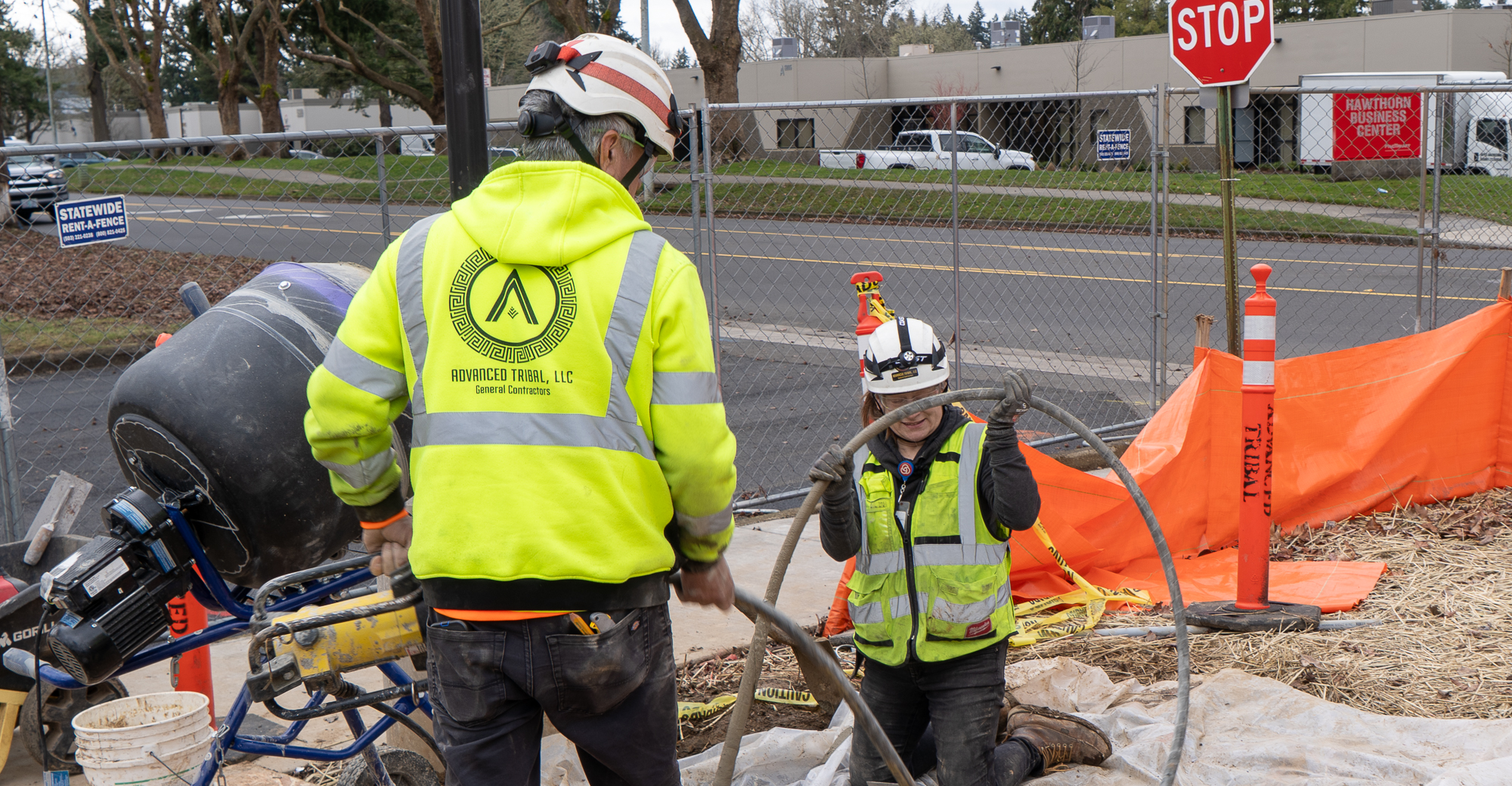
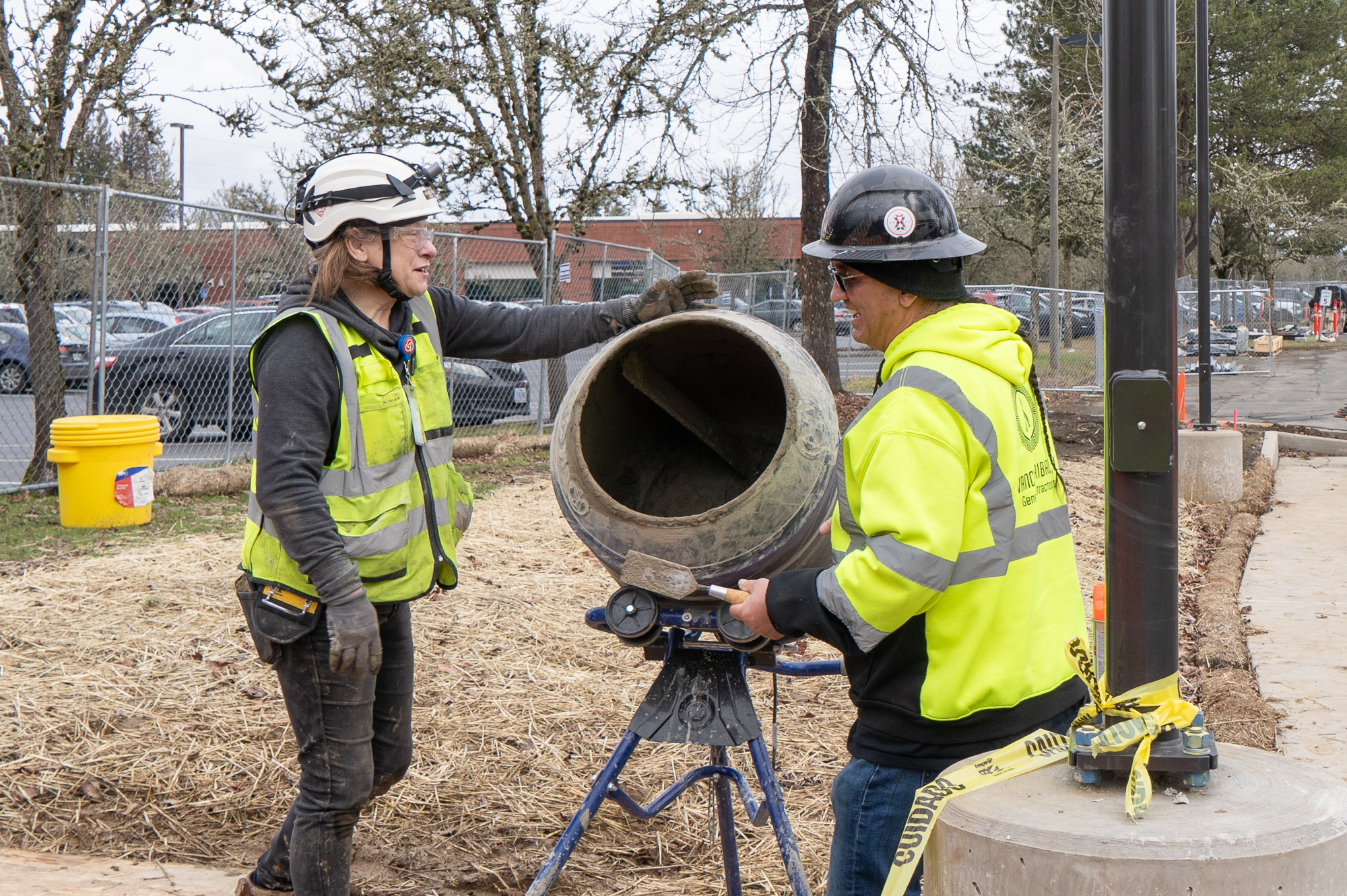
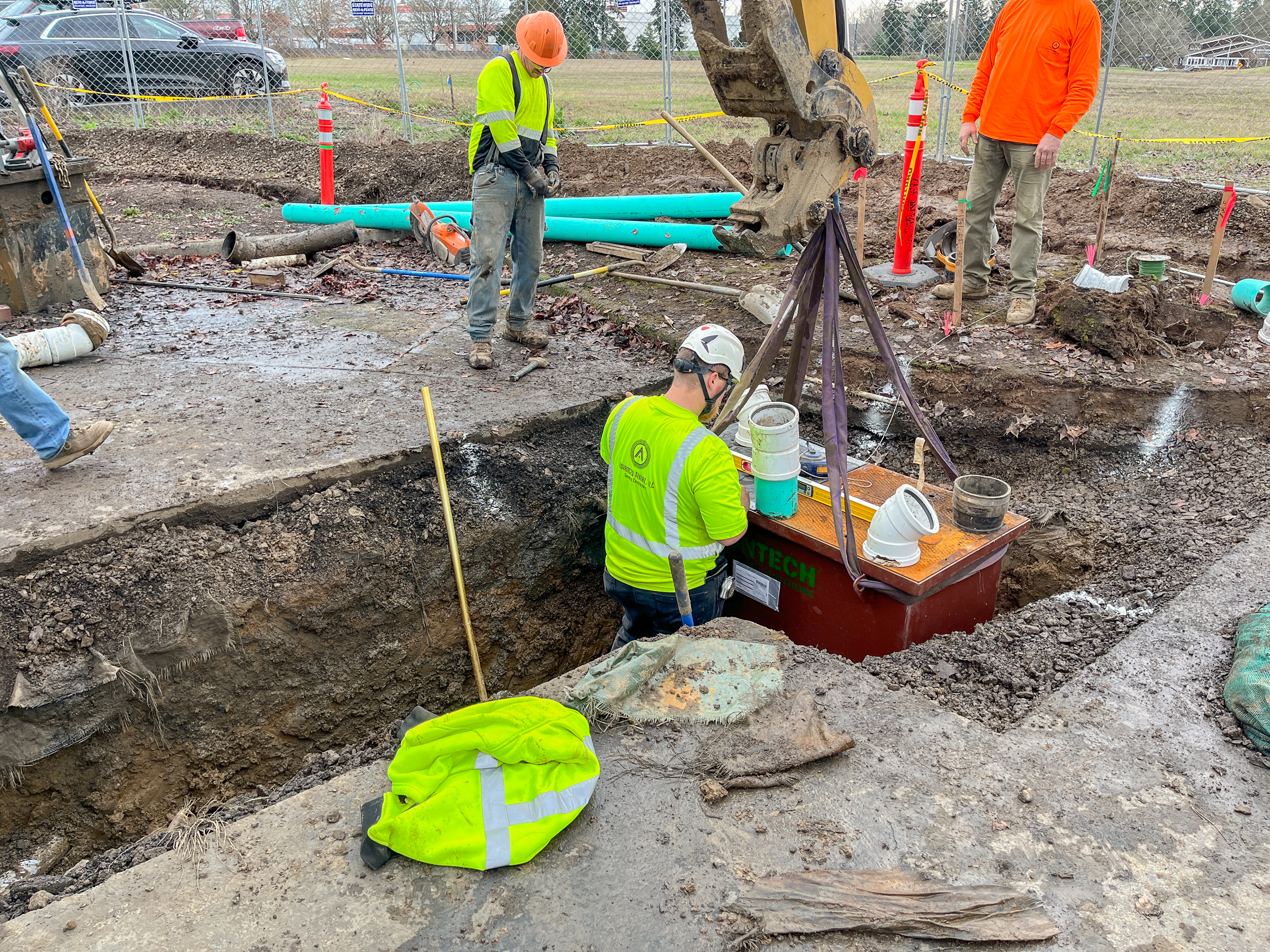
A key component of this effort was R&H’s partnership with Advanced Tribal LLC, a Native-owned commercial general contractor led by Leon Araiza. This relationship was intentionally structured differently from traditional joint ventures, focusing on mentorship, knowledge transfer, and expanding Advanced Tribal’s ability to self-perform meaningful scopes of work. Through consistent communication, coordinated planning, and shared responsibility, Advanced Tribal’s field experience and operational capacity grew significantly over the course of the projects, creating sustainable workforce opportunities for Indigenous craftspeople.
R&H also partnered with Crossover Construction, a minority-owned firm led by Dominic Waters, who supported preconstruction efforts and performed concrete and interior finish carpentry scopes, including doors and hardware. Their involvement strengthened overall participation while creating hands-on growth opportunities.
Washington County recognized the value of this approach, noting that the partnership provided the benefit of a strong COBID firm working alongside the support and experience of a larger contractor, delivering both high-quality construction and meaningful inclusion.
Through these strategic partnerships, R&H not only met the 30% minority participation requirement on both CATT projects but demonstrated a model of engagement centered on mentorship, workforce development, and the long-term advancement of minority-owned firms in the Pacific Northwest construction industry.